Access issues for Richmond loft rubbish clearance solutions
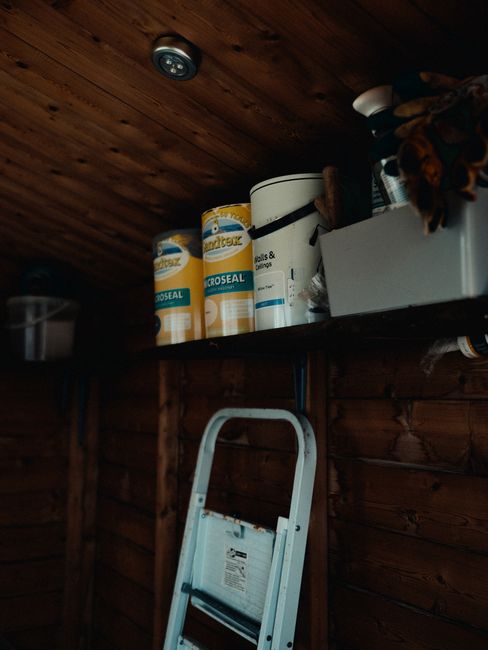
If you are dealing with a cramped loft, a narrow staircase, or a hatch that seems to shrink every time you look at it, you already know the problem: the rubbish may be in the loft, but the real challenge is getting it out safely. Access issues for Richmond loft rubbish clearance solutions are rarely about the waste itself. They are about the route, the height, the tight turns, the awkward angles, and the small practical details that make a straightforward job suddenly feel like a puzzle.
That is especially true in Richmond, where homes can range from compact terraces and converted flats to older properties with characterful but inconvenient loft layouts. In this guide, we will walk through what access problems look like, how professional loft clearance teams handle them, and what you can do to make the process smoother. We will also cover safety, best practice, and the little mistakes that can turn a simple clearance into a stressful morning.
To be fair, most people only think about access once they are already standing in the hallway with a bin bag too large for the staircase. Let's avoid that moment.
Why access issues for Richmond loft rubbish clearance solutions matters
Access matters because loft clearance is one of those jobs where the plan can look simple on paper and then fall apart at the first awkward corner. If the hatch is narrow, the staircase is steep, or the loft floor is not easy to move around on, the time, cost, and risk profile all change. A team can only work as safely and efficiently as the space allows.
In practical terms, poor access can mean more labour, more time, more risk of damage, and a greater chance that items need to be broken down before removal. Sometimes that is fine. Sometimes it is the only sensible way to do it. But it needs to be assessed properly, not guessed at from the front door. A quick look at the property layout, loft opening, and route downstairs usually tells the story.
Richmond properties can present very different challenges. A top-floor flat with communal stairs is not the same as a period house with a tiny loft ladder. A small access issue can be manageable. A combination of several can become the main job. That is why experienced clearance teams treat access as part of the service, not an afterthought.
Expert summary: the best loft rubbish clearance starts with a realistic access check. If the route out is tight, awkward, or fragile, the job plan should change before lifting begins.
It is also worth saying this plainly: access problems do not just slow things down, they can increase the risk of accidents. A rushed carry down a steep staircase, with boxes rubbing against walls and rails, is exactly the kind of situation that causes avoidable damage. Nobody wants that. Nobody.
How access issues for Richmond loft rubbish clearance solutions works
The process usually begins with an assessment of the loft and the path from loft to exit. That can happen over the phone with photos, or in person if the property is particularly awkward. The aim is to work out how the clearance will happen before anything is moved.
There are a few common access questions:
- How wide is the loft hatch?
- Is there a fixed staircase, pull-down ladder, or no safe ladder at all?
- Can two people carry items down without turning awkwardly?
- Is the loft floor boarded, partly boarded, or fragile?
- Are there fragile ceilings, low beams, or tight corners below?
- Is there space outside for loading a vehicle efficiently?
Once those factors are clear, the team can decide whether the waste can be carried out intact, dismantled in place, bagged into smaller loads, or passed down in stages. For heavy or bulky items, such as old furniture, boxes of books, or broken household items, a careful break-down method may be the most sensible route. That is where a proper loft clearance service really earns its keep.
You may notice that access and volume often work together. A loft that is full of light clutter might still be easy to clear if the hatch is decent. A loft with only a few items can still be difficult if the staircase is tight and the landing turns sharply. In other words, it is not just about how much rubbish there is.
If you are arranging wider property clearance at the same time, it can help to compare the loft job with other services such as house clearance or home clearance, especially when several rooms need work. And if the items include broken wardrobes, chairs, or sofas, a separate look at furniture clearance or furniture disposal may be relevant too.
Key benefits and practical advantages
Handling access issues properly is not just about convenience. It gives you a cleaner, safer, more predictable job. That matters whether you are clearing a loft before a move, after inheritance sorting, ahead of renovation, or simply reclaiming storage space that has quietly filled up over the years. Happens to the best of us.
Here are the main benefits:
- Less risk of damage: careful planning protects walls, stair rails, ceilings, bannisters, and the loft opening.
- Safer lifting: smaller loads and better routes reduce the chance of slips, strains, and dropped items.
- Faster clearance: when access is mapped properly, the team spends less time improvising.
- Better cost control: the job is less likely to overrun because the access reality was understood from the start.
- Less stress for the homeowner: you do not have to figure out how to move a bulky item down a narrow staircase at the last minute.
There is also a sustainability angle. When items are sorted properly at the point of removal, recycling and reuse decisions become easier. That links naturally with recycling and sustainability, because better handling often means less unnecessary damage and more items suitable for proper processing.
And honestly, a smooth clearance feels different. You hear less scraping, see fewer hurried pauses, and the whole place calms down quicker. It is one of those services where good planning is almost invisible, which is exactly the point.
Who this is for and when it makes sense
This kind of service is useful for anyone with a loft that is awkward to reach or awkward to work in. That includes homeowners, landlords, executors, letting agents, and people preparing a property for sale or renovation. If you are staring at a loft hatch and thinking, "how on earth is this coming down?", then you are already in the right place.
Typical situations include:
- post-move decluttering, when the loft has become the final dumping ground
- estate or probate clearances, where items need sorting carefully and respectfully
- pre-renovation work, especially before insulation, boarding, or roof repairs
- landlord void periods, when loft waste needs clearing between tenancies
- older homes with tight access routes or steep staircases
- converted flats where shared access must be handled considerately
It also makes sense if the waste is not just "rubbish" in the everyday sense. A loft can hold broken suitcases, old Christmas decorations, damaged flooring offcuts, old trunks, paint tins, boxes of paperwork, and furniture bits that are too awkward to carry safely without a plan. In a mixed load situation, a broader waste removal approach may be more practical than trying to treat everything as one simple pile.
One common scenario: a Richmond homeowner starts by wanting "a few bags cleared" and ends up with a full loft access challenge because the hatch is just too small for the larger items. That is not unusual. It just means the service has to match the building, not the other way around.
Step-by-step guidance
Here is a practical way to approach access issues for a loft rubbish clearance without turning it into a weekend saga.
- Inspect the access route. Check the loft hatch, ladder, staircase width, landing turns, and any tight points between the loft and the exit.
- Identify fragile areas. Note low ceilings, decorated walls, glass fittings, narrow bannisters, and anything likely to be knocked during carrying.
- Sort the waste by size and weight. Separate light bags from bulky, heavy, or breakable items. This makes route planning far easier.
- Measure awkward items. Large boxes, mattresses, old furniture, or storage trunks may need dismantling or a different carry method.
- Decide what needs to stay or go. This sounds obvious, but it saves mistakes. Once work starts, things move quickly.
- Clear the downstairs route. Remove mats, shoes, ornaments, and other trip hazards from stairs and hallways.
- Book the right clearance approach. If access is tight, say so early. A professional team can bring the right equipment and number of people.
- Prepare for loading and sorting. Keep recycling, reusable items, and true rubbish separate where possible.
If the loft is part of a larger property refresh, it can help to coordinate with related services. For example, an older garage full of stored items might also need garage clearance, or a garden outbuilding may need garden clearance. Same logic: plan the route, then move the stuff.
A small but useful detail: take a quick look at the weather if items may need to pass through an outside route or open area. A damp, slippery step is not the time for overconfidence. It really isn't.
Expert tips for better results
The best loft clearances are usually the ones where the job has been made simple before anyone starts lifting. Here are the habits that make a noticeable difference.
- Photograph the access points. A few clear photos of the hatch, stairs, landing, and loft floor can tell a team more than a long description.
- Measure the narrowest point. Don't guess. Measure the tightest section of the route, not just the widest staircase area.
- Separate fragile items early. Glass, ceramics, electronics, and old paperwork should not be left inside mixed piles.
- Keep lighting practical. Loft spaces are often gloomy. Better light means fewer accidents and less wasted time.
- Use small bags for loose waste. Overfilled sacks create avoidable strain and are harder to carry down stairs.
- Think in stages. With awkward access, a staged clear-out is often better than trying to remove everything at once.
If you are arranging a workplace or rented property clearance alongside the loft, there may also be overlap with office clearance or business waste removal. Not every job is purely domestic, and mixed-use properties can become a bit of a juggling act.
One underrated tip: leave a clear path to the front door before the team arrives. It sounds basic, but a three-minute tidy-up can save half an hour of awkward stepping around clutter. Simple, yes. Effective, absolutely.
Common mistakes to avoid
Access-related problems are often caused by planning errors, not bad luck. The good news is that most of them are avoidable.
- Underestimating item size. What looks manageable in a loft can suddenly become impossible on a staircase bend.
- Forgetting the hatch dimensions. Some items simply will not pass through without dismantling or careful repositioning.
- Not checking ladder safety. A weak or unstable ladder is not something to improvise with.
- Ignoring fragile surfaces. Painted walls, plaster corners, and banisters can be damaged by repeated contact.
- Leaving the route cluttered. Shoes, rugs, and boxes on stairs create trip hazards fast.
- Assuming every loft is the same. It sounds daft, but people do this all the time. Every property is a bit different.
Another common issue is deciding too late that a loft contains mixed waste types. If there are construction leftovers, wood offcuts, broken plasterboard, or renovation debris, the job may need to be treated differently. In those cases, builders waste clearance may be a better fit for part of the load.
The main lesson? Do not wait until the first item gets stuck in the hatch. By then, the problem has already started to grow teeth.
Tools, resources and recommendations
You do not need a van full of specialist gear to think sensibly about loft access, but a few simple tools and habits help a great deal.
- Tape measure: for hatch width, landing clearance, and awkward item dimensions.
- Phone camera: ideal for photographing tight corners, ladder setups, and stored clutter.
- Strong gloves: useful for handling dustier or rough-surfaced items.
- Head torch or portable light: especially helpful in older loft spaces with poor lighting.
- Marker pens and labels: good for sorting keep, donate, recycle, and remove piles.
- Sturdy bags or boxes: better than overstuffed bin sacks that split halfway down the stairs. Annoying, that.
For practical service planning, it can also help to review the company's pricing and quotes information before booking. Access issues can influence job scope, so clarity upfront is always better than surprise later.
If you want to understand how the business handles standards, trust, and customer care, pages like about us, insurance and safety, and health and safety policy are useful references. They give you a clearer sense of how seriously the work is approached.
Law, compliance, standards and best practice
For loft rubbish clearance, compliance is mostly about sensible handling, lawful disposal, and safe working practice. The exact obligations can vary depending on the waste type, the property type, and whether the job is domestic or commercial. You do not need to become a compliance expert to book a clearance, but it helps to know the basic expectations.
Best practice usually includes:
- safe manual handling and avoidance of overloading
- careful assessment of access risks before lifting
- proper separation of reusable, recyclable, and non-recyclable items
- appropriate treatment of hazardous or questionable items
- respect for neighbouring properties, shared hallways, and communal areas
In a Richmond setting, that last point matters more than people sometimes expect. If items must pass through a shared entrance or stairwell, the work should be done tidily and without blocking other residents. Good clearance practice is quiet, careful, and efficient. It does not need to look dramatic.
Where a property involves multiple occupants or commercial use, more formal arrangements may be needed, and a service like business waste removal may be relevant. For homes with broader clear-out needs, loft clearance can be part of a wider property management approach rather than a one-off tidy-up.
It is also worth checking service terms if you are comparing providers. The terms and conditions page can help clarify what is included, how access assumptions are handled, and what happens if the job changes on site.
Options, methods, or comparison table
Different access challenges call for different approaches. A small boxy loft with a decent staircase is one thing. A cramped hatch with old storage packed to the rafters is another. Here is a simple comparison of common methods.
| Method | Best for | Advantages | Limitations |
|---|---|---|---|
| Carry items out intact | Light, medium, and manageable waste with decent access | Quick, tidy, minimal preparation | Not suitable for very bulky items or tight staircases |
| Dismantle before removal | Wardrobes, shelving, large frames, awkward furniture | Reduces snagging and damage risk | Takes more time and care |
| Bag and stage in smaller loads | Mixed loft clutter and loose rubbish | Easier on stairs, safer for handlers | More trips required |
| Full property clearance approach | Multiple rooms or loft plus other storage areas | Efficient for larger jobs | Needs more planning and coordination |
Sometimes the best option is a combination. For example, a loft may be bagged and staged, while larger downstairs items are handled through furniture clearance. That mixed approach is often the most practical one in real homes, because real homes are messy and a bit unpredictable. That is just life, really.
Case study or real-world example
A Richmond homeowner contacted a clearance team about a loft full of mixed storage: old suitcases, broken small furniture, paper files, and some long-forgotten Christmas decorations. At first glance, it sounded like a fairly standard loft tidy. But once the access was checked, the staircase turned out to be narrow, the loft hatch was smaller than expected, and the landing had a tight corner near the top step.
Instead of forcing the job into a rushed single carry, the team split the clearance into stages. Smaller items were bagged carefully. The more awkward pieces were checked for dismantling. Fragile or dusty items were separated early. The stair route was kept clear throughout. The job took a little more planning, but the removal itself stayed smooth and controlled.
The homeowner later said the main relief was not just that the loft was empty. It was that the walls, banister, and staircase were left untouched. That's the bit people remember after the dust settles.
This kind of real-world situation shows why access assessment is not a box-ticking exercise. It changes the whole job. And when it is handled properly, the difference is obvious.
Practical checklist
Use this quick checklist before booking or starting a loft clearance with access concerns.
- Measure the loft hatch and the narrowest stair point.
- Check whether the ladder or stairs are stable and safe.
- Identify bulky, heavy, or fragile items in advance.
- Clear the route from loft to front door.
- Take photos of awkward spots and low-clearance areas.
- Separate keep, recycle, and remove piles where possible.
- Flag any mixed waste, furniture, or construction debris early.
- Ask about insurance, safety, and disposal handling.
- Confirm how access limitations may affect the quote or schedule.
- Leave space for the team to work without squeezing past clutter.
If you are still unsure whether the job is straightforward or a bit fiddly, that is usually the right moment to ask for a proper quote rather than making assumptions. Mild uncertainty now is much better than a blocked staircase later.
For a little extra reassurance, the company's accessibility statement and complaints procedure can be useful if you want to understand how service issues are handled professionally and fairly.
Conclusion
Access issues for Richmond loft rubbish clearance solutions are really about getting the route right before the lifting starts. When you know the hatch size, the stair layout, the fragile points, and the type of waste involved, the whole process becomes calmer, safer, and much more predictable.
That is the real value here. Not just an empty loft, but an empty loft cleared without drama, damage, or unnecessary stress. If your space is awkward, that does not mean the job is impossible. It just means it needs a more careful plan. And that is exactly what experienced clearance work is for.
Get a free quote today and see how much you can save.
There is something quietly satisfying about turning a cramped, dusty storage space into a usable part of the home again. One careful step at a time, it gets done.
Frequently Asked Questions
What counts as an access issue for loft rubbish clearance?
Anything that makes removal harder or riskier can count as an access issue: a small loft hatch, steep stairs, a narrow landing, a weak ladder, tight turns, low beams, or fragile surfaces that need protection.
Can loft rubbish be removed if the hatch is very small?
Often yes, but the method changes. Items may need to be bagged in smaller loads, dismantled, or carried out in stages. If the hatch is unusually tight, that should be checked before the job starts.
Do I need to clear the stairs before the team arrives?
Yes, if you can. Removing shoes, rugs, ornaments, and other clutter helps reduce trip hazards and makes the job much quicker. It is one of the easiest ways to help.
Will awkward access make the clearance more expensive?
It can, because difficult access often means more labour, more time, or a different approach. The exact price depends on the property, the waste type, and how much extra handling is needed.
What if the loft contains old furniture as well as rubbish?
That is common. Larger items may be handled through furniture clearance or furniture disposal methods, while loose rubbish is bagged separately. The key is sorting early so nothing gets stuck halfway down the stairs.
Is it better to empty a loft in one go or in stages?
If access is easy, one go may be fine. If the staircase is tight or the waste is mixed, a staged approach is often safer and more efficient. The right answer depends on the route, not just the volume.
Can access issues affect how long the job takes?
Yes. A straightforward loft may be cleared quickly, while a cramped or fragile route can take longer because items need to be moved more carefully. Slower does not mean inefficient; sometimes it means sensible.
What should I photograph before asking for a quote?
Take pictures of the loft hatch, ladder or stairs, landing turns, and the general level of clutter. Photos of bulky items also help. Good pictures often make quoting much easier and more accurate.
What if the loft contains mixed waste from DIY work?
If there are plasterboard offcuts, timber, rubble, or renovation waste, tell the team in advance. A builders waste clearance approach may be more appropriate for part of the load, even if the job also includes household clutter.
Do Richmond loft clearances need special safety precautions?
They should always be handled with care. Safe lifting, stable access, clear routes, and sensible handling of fragile items are important in any loft job, especially in older properties with tight staircases or awkward layouts.
How do I know if the job is too difficult for a standard clearance?
If the hatch is tiny, the staircase is steep, the loft floor feels unstable, or items are unusually bulky, it is worth flagging that early. A good provider will tell you honestly whether a standard approach is enough or whether a more careful plan is needed.
What is the best first step if I am unsure about access?
Start with measurements and photos. Then ask for a quote that reflects the real access situation, not an ideal one. That small bit of honesty upfront saves a lot of back-and-forth later.
Can loft clearance be combined with other property clearances?
Yes, and that is often efficient. Depending on the property, you might combine it with house clearance, home clearance, garage clearance, or even office clearance if the waste is part of a larger move or reset.
Where can I learn more about service standards and policies?
Pages such as about us, insurance and safety, health and safety policy, and terms and conditions are useful if you want a better sense of how the work is run and what to expect before booking.