Affordable garden waste rubbish removal Richmond Park
If your garden is bursting with cuttings, branches, turf, leaves, and the odd broken planter, you are not alone. Garden jobs have a habit of turning into a bigger pile than expected, especially after a heavy prune or a weekend clear-out. Affordable garden waste rubbish removal Richmond Park is about getting that mess cleared quickly, safely, and without paying over the odds for a service you barely understand.
This guide explains how the process works, what affects cost, how to choose the right option, and how to avoid the annoying mistakes that make a simple job more expensive. It is written for people who want a clean outdoor space, a fair price, and a service that feels properly handled rather than rushed. Truth be told, nobody wants bags of hedge trimmings sitting there for three more weeks.
For a bit of background on the company behind this local service, you can also visit the about us page, or if you are already comparing prices, the pricing and quotes page is worth a look.
Table of Contents
- Why Affordable garden waste rubbish removal Richmond Park Matters
- How Affordable garden waste rubbish removal Richmond Park Works
- Key Benefits and Practical Advantages
- Who This Is For and When It Makes Sense
- Step-by-Step Guidance
- Expert Tips for Better Results
- Common Mistakes to Avoid
- Tools, Resources and Recommendations
- Law, Compliance, Standards, or Best Practice
- Options, Methods, or Comparison Table
- Case Study or Real-World Example
- Practical Checklist
- Conclusion
- Frequently Asked Questions
Why Affordable garden waste rubbish removal Richmond Park Matters
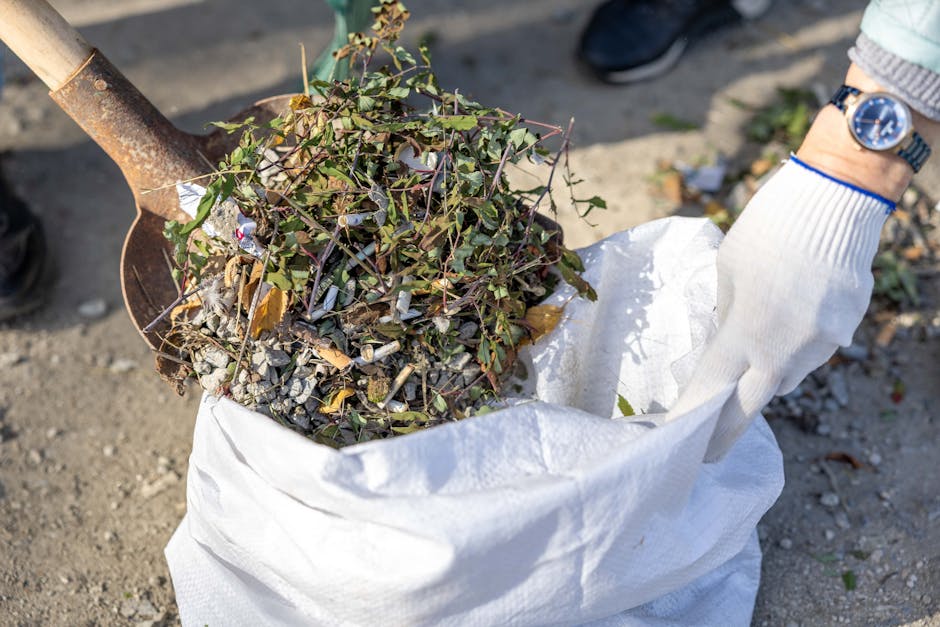
Garden waste looks harmless at first. A few sacks here, a few branches there. Then the pile spreads. It gets damp, starts attracting bugs, and suddenly the patio looks like a holding area for a small tree surgery job. Affordable clearance matters because it solves a real-life problem before it becomes a bigger one.
In and around Richmond Park, properties often have mature gardens, boundary hedges, seasonal leaf fall, and plenty of pruning work to keep everything tidy. That means waste builds up quickly. If you leave it too long, it can block paths, clutter driveways, and make even a well-kept garden feel unfinished. Not ideal, especially when you are trying to enjoy a bit of outdoor calm.
There is also the practical side. A proper removal service saves you repeated trips to tip points, avoids dragging heavy bags through the house, and reduces the risk of injury from lifting awkward loads. Garden waste is often bulky, scratchy, and deceptive. A bag that looks manageable can be weirdly heavy. We have all done that half-lift, then regretted it.
Affordable removal is not just about the cheapest price. It is about value: clear pricing, efficient loading, responsible disposal, and no unnecessary extras. If the quote is low but the service is vague, that can become expensive in other ways. Delay, extra labour, and poor sorting all have a habit of costing more in the end.
Practical takeaway: the best affordable service is the one that removes the waste cleanly, explains the price clearly, and leaves you with a garden you can actually use again.
How Affordable garden waste rubbish removal Richmond Park Works
The process is usually straightforward, but it helps to know what happens behind the scenes. Most garden waste removal jobs follow a similar pattern: you request a quote, describe the load, arrange a time slot, and the team collects the waste from the agreed access point.
That sounds simple, and often it is. Still, the details matter. A quote for a few bags of hedge cuttings is very different from a mixed load containing soil, roots, heavy timber, broken pots, and wet grass. Garden waste is rarely one neat category. The better you describe it, the more accurate the price will be.
In a typical job, the team will:
- Assess the volume and type of waste.
- Confirm access, parking, and loading conditions.
- Provide a price based on weight, volume, labour, and sorting needs.
- Collect the waste from the driveway, front garden, side return, or other accessible point.
- Transport it for recycling, composting, or appropriate disposal.
Some jobs are handled almost entirely from photos. Others need a quick on-site look, especially if the garden is packed with cut branches or if the waste is spread across several areas. For the clearest next step, it is often worth checking the company's contact page so you can send images and ask practical questions before booking.
One useful thing to remember: not all garden waste is equal. Green cuttings are typically easier to process than mixed garden debris. Soil, rubble, and hardcore are different again. So are treated timber, large root balls, and bags that contain household rubbish mixed in by accident. That mix matters more than people expect.
Key Benefits and Practical Advantages
The obvious benefit is a tidy garden. But there is a bit more to it than that. When the waste is removed properly, the whole space becomes easier to manage. Jobs that felt stuck suddenly feel doable. You can mow, replant, power wash, or simply sit outside without staring at a pile of cuttings.
Here are some of the most practical advantages:
- Less clutter: the garden looks finished rather than mid-project.
- Better use of space: paths, seating areas, and sheds become accessible again.
- Safer handling: you avoid lifting sharp, heavy, or awkward waste yourself.
- Quicker turnaround: the job is completed in one visit rather than over several weekends.
- Cleaner disposal: suitable waste can be sorted for recycling or composting.
- Less stress: you do not have to organise transport, loading, or unloading.
There is also a subtle benefit that people only notice afterwards: a clear garden makes future maintenance easier. When the last pile is gone, you can see what still needs attention. That alone can save time. And let's face it, a tidy boundary hedge looks far better than a "sort it later" heap of branches.
If responsible disposal matters to you, it is worth reviewing the company's approach to recycling and sustainability. Garden waste is one of those areas where good sorting really can make a difference.
Who This Is For and When It Makes Sense
This kind of service is useful for a wide range of people. Homeowners often need it after a seasonal clear-up, a landscaping project, or a big pruning session. Landlords may need quick garden clearance between tenancies. Letting agents and property managers sometimes need a fast turnaround before photographs, inspections, or new occupants move in.
It also makes sense if you have:
- hedge trimmings from regular maintenance
- branches from storm damage or pruning
- grass cuttings after a large mow
- old plants, roots, and soil from a border refresh
- mixed garden debris after landscaping
- bags of green waste that have been sitting too long
Some people think they need a full clearance only when the garden is completely overgrown. Not necessarily. Sometimes a smaller, affordable collection is the smarter choice. For example, if you have been doing the work yourself but just cannot face the last heavy bags, a removal team can finish the job in under an hour. A small victory, but a welcome one.
It is also a good fit if access is awkward. Narrow side paths, basement-level gardens, shared driveways, or limited parking can make DIY disposal frustrating. A team experienced with local conditions can usually manage the logistics more smoothly.
Step-by-Step Guidance
If you want a smooth and affordable result, a little preparation goes a long way. Here is the practical route most people benefit from.
1. Separate the waste where possible
Try to keep green waste separate from soil, rubble, plastic, and general rubbish. Mixed loads can be handled, but they often cost more because they require extra sorting and disposal. Even a rough separation can help.
2. Estimate the volume
Think in bags, piles, or trailer space. A small stack of cuttings is very different from a full garden clear-out. If you are unsure, take a couple of photos from different angles. That usually helps more than a vague guess like "quite a lot".
3. Check access and parking
Can a vehicle stop close to the waste? Are there steps, narrow gates, or a long carry distance? These details can affect time, labour, and therefore cost. It is not about being difficult. It is just reality.
4. Ask what is included
Make sure the quote covers loading, transport, disposal, and any extra labour if the waste needs to be moved from the rear of the property. A quote should feel clear, not mysterious.
5. Book a time that suits the garden work
If you are still cutting hedges or digging out roots, leave the waste on one side so collection can happen once the job is finished. That avoids double handling. Honestly, every extra move feels bigger than it should.
6. Choose the right provider
Look for clear communication, reasonable pricing, and a sensible attitude to safety and disposal. A reliable service should be open about how it works, how it handles waste, and what you can expect on the day. If you want to understand the operator's standards, their health and safety policy and insurance and safety information are sensible places to check.
Expert Tips for Better Results
After plenty of garden clearances, a few patterns become obvious. The jobs that go best are not always the biggest ones. They are the ones where the customer has thought a little ahead.
- Bag only what needs bagging. Loose branches can often be stacked more efficiently than packed into small sacks.
- Cut long branches down if safe to do so. Shorter lengths load better and reduce awkward overhang.
- Keep wet soil separate from green cuttings. Soil is heavy and can change the price quickly.
- Clear access before collection day. Move bins, pots, bikes, or tools out of the way.
- Photograph the waste before booking. It helps avoid underquoting and awkward surprises later.
- Ask about recycling before you ask about speed. Fast is good. Responsible and fast is better.
Here is a small but useful tip: if you have a lot of hedge trimmings, pile them so the cut ends face one direction. It makes loading neater and usually quicker. Not a glamorous trick, granted, but it works.
Also, if you are comparing prices, do not focus only on the headline figure. Check whether the provider offers clear payment terms and secure handling. The payment and security page should give you a better feel for that side of the service.
Common Mistakes to Avoid
A lot of garden waste removal problems come from the same few errors. They are easy to make, especially if you are in a rush and just want the heap gone.
- Mixing everything together: green waste, soil, plastics, and rubble can create avoidable extra charges.
- Underestimating volume: a "small pile" can turn into a full load once gathered.
- Leaving waste in hard-to-reach spots: the harder it is to access, the longer it takes.
- Ignoring weight: soil, wet grass, and root balls are far heavier than they look.
- Choosing a quote with little detail: cheap can become costly if labour is not included.
- Forgetting about recyclability: some waste can be handled more sustainably if sorted properly.
There is another common one: booking removal before the garden job is actually finished. That usually leads to a second pile appearing the next day. Annoying, but very normal. If you can, finish the cutting first, then book the collection.
Tools, Resources and Recommendations
You do not need a shed full of specialist gear to prepare garden waste for removal. A few sensible tools make the process easier and safer.
| Tool or item | Why it helps | Best used for |
|---|---|---|
| Heavy-duty garden bags | Contain loose cuttings and leaves neatly | Smaller green waste loads |
| Tarpaulin | Makes dragging branches and debris easier | Bulk handling across lawns or patios |
| Loppers or pruning saw | Shortens branches for safer stacking | Hedges, shrubs, and light tree work |
| Gloves | Protects hands from thorns and splinters | General sorting and clearing |
| Rake | Gathers leaves and grass into manageable piles | Final tidy-up before collection |
| Wheelbarrow | Moves material efficiently across the garden | Large gardens or awkward access |
For many customers, the most useful "resource" is not a tool at all. It is a clear quote process. That is why a straightforward page like pricing and quotes can be so helpful before you commit. It gives you a sense of what is likely to be included and how the service is structured.
If you are the sort of person who likes to understand the business before booking, the company's background and approach can also help build confidence. That matters more than people admit. We all want the job done well, but we also want to feel we are dealing with a proper local outfit.
Law, Compliance, Standards, or Best Practice
Garden waste removal should be handled carefully, even when the job looks simple. In the UK, waste must be managed responsibly, and good providers should be able to explain how they sort, transport, and dispose of material in line with normal industry practice.
You do not need to become an expert in waste law to book a collection, but a few points are worth keeping in mind:
- Fly-tipping risk: never hand waste to anyone who cannot explain where it goes.
- Duty of care: a responsible operator should treat waste properly and keep things tidy from pickup to disposal.
- Mixed loads: green waste mixed with general rubbish may need different handling.
- Safety on site: access routes should be checked so nobody is carrying heavy loads in an unsafe way.
It is also sensible to look for evidence that the provider takes safety seriously, especially if the garden is steep, cluttered, or has limited access. The health and safety policy and insurance and safety information are useful trust signals here.
Best practice is simple: be honest about the waste, separate what you can, ask how it will be handled, and use a provider that communicates clearly. No drama needed.
Options, Methods, or Comparison Table
There are a few ways to clear garden waste, and the right choice depends on volume, access, time, and budget. Here is a practical comparison.
| Method | Best for | Pros | Cons |
|---|---|---|---|
| DIY trips to disposal facilities | Very small loads and flexible schedules | Can be low cost if you have transport | Time-consuming, heavy lifting, repeated trips |
| Skip hire | Larger projects with ongoing waste generation | Good if the waste will build over several days | Space needed, permit issues may arise, not always economical for small jobs |
| Man and van garden waste removal | Medium loads and fast clearances | Convenient, usually quick, labour included | Pricing depends heavily on volume and access |
| Planned garden maintenance collection | Regular pruning or seasonal tidy-ups | Predictable, efficient, often budget-friendly over time | Needs scheduling and consistent upkeep |
For many households, a man and van style collection is the sweet spot. It avoids the faff of skip management and is usually better for smaller, one-off loads. If you only have a few cubic metres of green waste, a skip can be overkill. A very expensive box for leaves, basically.
The best choice depends on what is actually on the ground, not what you hoped would be there. That little honesty check saves money.
Case Study or Real-World Example
Here is a realistic example based on the kind of garden clear-up people often need after a weekend of work.
A homeowner near Richmond Park spent two days cutting back an overgrown hedge, trimming shrubs, and pulling up a patch of tired bedding plants. By Sunday afternoon, the patio had disappeared under a mix of green cuttings, twig bundles, and several sacks of roots and soil. They had planned to take it to disposal themselves, but the bags were heavier than expected and the car boot was already full of tools. Classic.
Instead of making three separate trips, they arranged an affordable collection. Before the visit, they separated the soil into one area, bundled branches together, and left the green waste accessible from the side path. The removal team loaded everything efficiently, kept the area tidy, and took the mixed material away in one go.
The practical win was not just time saved. The garden was left ready for the next stage of work, which was mulching and replanting. The homeowner could actually see the space again. You know that feeling when a garden suddenly breathes? That.
The main lesson: the clearer the waste is prepared, the better the result tends to be. Small effort up front, easier collection later.
Practical Checklist
Use this checklist before booking your garden waste collection. It keeps things simple and avoids most of the usual issues.
- Separate green waste from rubble, plastics, and general rubbish.
- Estimate the amount of waste as accurately as you can.
- Take clear photos from different angles.
- Check access, steps, gates, and parking space.
- Ask what is included in the quote.
- Confirm whether labour, transport, and disposal are covered.
- Prepare the waste in one accessible spot if possible.
- Remove obstacles from the loading route.
- Ask about recycling and disposal practices.
- Review payment terms before confirming.
- Keep the collection area clear on the day.
- Save the provider's contact details in case timings change.
If you want to understand service terms in more detail, it is worth reading the terms and conditions before booking. It is not glamorous reading, sure, but it helps avoid misunderstandings later.
Quick summary: sort the waste, measure it honestly, and choose a provider that explains the price properly. That is usually the recipe for an affordable, no-nonsense collection.
Conclusion
Affordable garden waste rubbish removal Richmond Park is really about turning a messy, awkward task into a simple one. When the waste is cleared properly, you get your space back, your time back, and a garden that feels usable again. That matters whether you are dealing with a one-off pruning job or a bigger seasonal clear-up.
The best results come from clear information, sensible preparation, and a provider that takes both cost and care seriously. You do not need anything flashy. Just a fair price, tidy work, and proper disposal. That combination is harder to find than it should be, but when you find it, it makes a real difference.
To explore the company further, you can also read the recycling and sustainability page, or learn more about the team on the about us page. And if you have a question before booking, the contact page is the easiest place to start.
Get a free quote today and see how much you can save.
Sometimes the most satisfying garden job is the one you do not have to carry away yourself.
Frequently Asked Questions
What counts as garden waste rubbish removal?
It usually includes hedge cuttings, branches, grass, leaves, plants, roots, soil, and other organic garden debris. Some providers also take mixed garden materials, but that can affect pricing if the load includes rubble or general rubbish.
Is affordable garden waste removal really cheaper than hiring a skip?
For smaller or medium loads, it often is. You avoid paying for unused space, permits, and the hassle of loading a skip yourself. For larger ongoing projects, a skip may still make sense. It depends on volume and timing.
How do I get an accurate quote?
Send clear photos, give a rough idea of volume, and explain whether the waste is mainly green material or mixed debris. Mention access details too. That gives the provider a much better basis for pricing.
Can wet garden waste cost more to remove?
Sometimes, yes. Wet grass, soil, and root balls are heavier than they look. Extra weight can affect the quote because it changes how much can be loaded and transported in one trip.
Do I need to bag the waste before collection?
Not always. Some waste can be collected loose, especially branches and larger cuttings. Bagging smaller debris can help with handling, though, and may make the job quicker if the access is tight.
What should I do with soil and rubble from the garden?
Keep them separate if possible. Soil and rubble are heavier and usually require different handling from green waste. Mixing them into the same pile can increase the cost and make sorting more difficult.
How fast can garden waste be removed?
Often quite quickly, depending on booking availability and access. Simple jobs may be completed in a single visit. If the waste is large or access is awkward, the service may need a little more time.
Is garden waste recycled?
It can be, depending on how it is sorted and the disposal process used by the provider. Green waste is often suitable for recycling or composting when it is kept separate from other materials.
What if my garden is hard to access?
That is common, especially with side paths, steps, or rear gardens. Mention it when requesting a quote. A provider can usually plan for the access route and explain whether extra labour is needed.
How can I keep the price down?
Separate materials, stack waste neatly, keep access clear, and be honest about the volume. Small preparation steps make a noticeable difference. They really do.
Should I choose the cheapest quote?
Not automatically. The best choice is usually the quote that is clear, fair, and complete. A low number can look good until extra charges appear for labour, access, or waste type.
Where can I check trust and service details before booking?
Look at pages that explain the company's background, insurance, safety, payment handling, and terms. Useful starting points include insurance and safety, payment and security, and complaints procedure.
If you are comparing options in Richmond Park and want a service that feels straightforward, careful, and fairly priced, keep the focus on clarity, not just speed. That is usually where the real value lives.