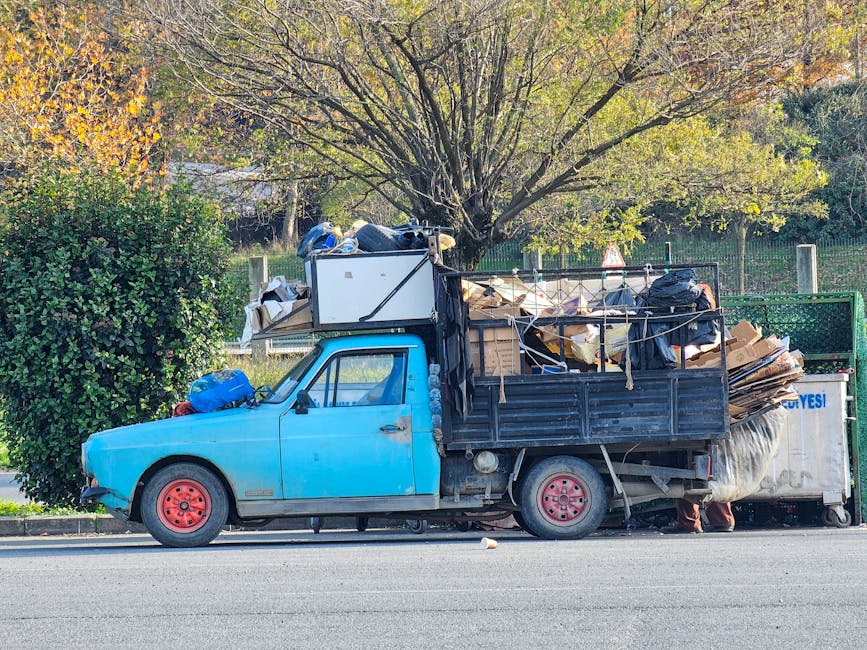
What to do when Richmond bulky rubbish is delayed
If you are staring at a sofa, mattress, broken wardrobe, or a growing pile of old stuff outside your home and the collection has not happened, it can be properly annoying. The good news is that there are sensible steps you can take when Richmond bulky rubbish is delayed, and most of them are straightforward. In this guide, we'll walk through what the delay usually means, how to respond without creating extra problems, and when it makes sense to arrange an alternative clearance option so the mess does not hang around for days.
Truth be told, bulky waste delays happen for all sorts of reasons: a missed booking, access issues, vehicle problems, weather, or simply a backlog. What matters most is knowing what to do next, rather than just waiting and hoping. Let's get you back in control.
Contents
- Why a bulky rubbish delay matters
- How delayed bulky rubbish collection usually works
- Key benefits of acting quickly
- Who this is for
- Step-by-step guidance
- Expert tips for better results
- Common mistakes to avoid
- Tools, resources and recommendations
- Law, compliance and best practice
- Options and comparison table
- Case study or real-world example
- Practical checklist
- Conclusion
- Frequently asked questions
Why What to do when Richmond bulky rubbish is delayed Matters
A delayed bulky rubbish collection sounds like a nuisance, and often it is. But the delay can quickly become more than an inconvenience. Large items left in hallways, front gardens, shared entrances, loading bays, or kerbside spaces can block access, frustrate neighbours, and make a property feel untidy or unsafe. If the items are heavy, sharp, or unstable, there is also a real practical risk of someone trying to move them and getting hurt.
For households, the problem is usually space. A spare room or hallway turns into a holding bay for an old bed, a sideboard, or a pile of broken furniture. For landlords, agents, and businesses, the pressure is different: missed timelines can affect tenant move-ins, inspections, office clear-outs, or refurbishment schedules. If you've ever tried to juggle removals, cleaners, and trades on the same day, you'll know how one delay can knock everything off balance. Annoying, yes. But manageable.
The key point is this: a delay is not just a waiting game. It is a signal to check what happened, protect access, and decide whether to keep the booking, re-arrange it, or move to another waste removal option. That choice matters because the longer bulky waste sits around, the more likely it is to create secondary problems like access complaints, damp smells, missed work, or extra handling later on.
How What to do when Richmond bulky rubbish is delayed Works
In most cases, a bulky rubbish delay follows a fairly familiar pattern. A collection is booked or expected, the day arrives, and then the service does not turn up when planned. Sometimes there is no update. Sometimes there is a note, a text, or a driver call explaining that the round is running late. Other times the issue is more practical, such as limited access, items not being placed where they were expected, or a vehicle being unable to complete the job safely.
What you do next depends on the situation. If this is a council-style collection, the first step is usually to check the booking confirmation and any messaging about missed or delayed collections. If it is a private waste removal booking, you should review the arrival window, any agreed access instructions, and the service terms. A reliable provider should be able to explain whether they are still coming that day, if the visit needs to be rebooked, or whether a revised time slot is more realistic.
Sometimes people assume that if the collection is late, nothing else can be done. That is not really true. You can still document the delay, protect the items from rain, keep pathways clear, and prepare for a new time. If the rubbish is causing ongoing issues, you can also compare other clearance options, such as general waste removal, furniture disposal, or a more tailored service like furniture clearance depending on what needs shifting.
Key Benefits and Practical Advantages
Dealing with a delay promptly saves time, stress, and usually a fair bit of disruption. The obvious benefit is that you stop the problem from growing. Less obvious, but just as important, is that you preserve control over your home, site, or business premises. When a pile of rubbish sits untouched, it starts to feel permanent. Sorting it out quickly restores momentum. Sounds small, but it helps.
- Faster resolution: You can find out whether the collection is still happening or needs to be rescheduled.
- Cleaner access: Hallways, driveways, and shared entrances stay safer and easier to use.
- Less stress: A clear plan beats waiting by the window all afternoon, which nobody enjoys.
- Better neighbour relations: Keeping shared spaces tidy reduces complaints in flats or terraces.
- Lower risk of damage: Wet, heavy, or awkward items are less likely to cause scuffs, leaks, or trip hazards when handled properly.
There is also a practical financial angle. If a delay means a missed opportunity to get a property ready, the knock-on cost can be much higher than the clearance fee itself. For example, a delayed bulky rubbish pickup at the end of a tenancy may hold up cleaning, inspection, or handover. In a business setting, it could interfere with an office move or builders' access. A small delay can have a surprisingly large ripple effect.
Who This Is For and When It Makes Sense
This advice is useful for anyone dealing with unwanted large items, but it is especially relevant if you live in a flat, manage a rental property, run a small business, or are trying to finish a renovation. The awkward bit with bulky waste is that the items are often too big for normal bins, too heavy for one person, and too awkward to leave sitting around for long. You notice that quite quickly when a wardrobe is half blocking the landing.
It also makes sense if you are in one of these situations:
- You booked a collection and it has not happened by the expected time.
- You were relying on the clearance before a move, sale, or end-of-tenancy clean.
- You have furniture, white goods, or mixed bulky items that need removing together.
- You need a more flexible option than waiting for the next available municipal slot.
- You are trying to keep shared spaces, parking areas, or worksites clear.
If the delay is minor, you may simply need to wait for an updated time. If the delay is creating pressure, the sensible move is to review alternative services such as house clearance, home clearance, or flat clearance if the job is broader than one or two items. That kind of flexibility can be a lifesaver when timing is tight.
Step-by-Step Guidance
Here is the practical bit. If your Richmond bulky rubbish collection is delayed, work through the situation in a calm order rather than chasing five different threads at once.
- Check your booking details. Look at the date, time window, item list, and any instructions about where the rubbish should be left.
- Confirm whether the collection is actually delayed or missed. Sometimes a driver is running late, and sometimes the appointment has genuinely fallen through. Those are different problems.
- Inspect access conditions. Ask yourself whether there is anything blocking the route: parked cars, locked gates, narrow lanes, no parking, or items placed in the wrong spot.
- Keep the waste safe and tidy. If possible, move items so they do not block doors, pavements, or shared entrances. Cover them if rain is due.
- Contact the provider or relevant booking point. Get a clear update on whether the collection is still expected, whether it needs rebooking, and what you should do next.
- Document the issue. A few photos and a note of times can help if you need to escalate the matter later. Nothing dramatic, just sensible record-keeping.
- Decide whether to wait or switch. If the delay is short and manageable, waiting may be fine. If the waste is holding up other work, consider a quicker alternative.
- Arrange follow-up action. Rebook, escalate, or move to another clearance option so the job does not drift into next week and then the week after. It happens.
A useful rule of thumb: if the items are still sitting there after the delay starts affecting access, safety, or other booked work, you need a new plan. Not later. Now.
Expert Tips for Better Results
In our experience, the people who get delayed collections resolved fastest are the ones who give clear information from the start. That means exact item descriptions, clear access notes, and honest details about whether the waste is at kerbside, in a garden, up stairs, or inside a property. It sounds obvious, but those small details cut out a lot of back-and-forth.
Another tip: separate what is truly bulky rubbish from what is garden waste, builders waste, or general mixed waste. If a collection was intended for old furniture but is now mixed with rubble, cut timber, or hedge cuttings, that can change how the job is handled. If you are dealing with a mixed pile, you might be better off looking at builders waste clearance or garden clearance depending on what is actually there.
Also, do not leave the items to "sort themselves out." They rarely do. Wind, rain, and foot traffic have a way of turning a tidy stack into a messy corner very quickly. And if you live on a street with limited parking, the delay may become a nuisance for neighbours too. Better to stay a step ahead.
One more practical point: if you know a delay is possible, photograph the items before collection day. Not for drama, just for clarity. A quick photo helps if you need to show how the items were presented and whether access was clear.
Common Mistakes to Avoid
Most problems after a delay come from small avoidable mistakes rather than anything major. Here are the ones we see most often.
- Assuming the collection is still coming without checking. This is how people lose an entire afternoon waiting.
- Blocking access with parked cars or extra waste. If the crew cannot reach the items safely, the job may be pushed back again.
- Mixing different waste types without warning. Furniture, general waste, green waste, and construction debris can all need different handling.
- Leaving bulky items in damp or exposed places. Cardboard swells, wood warps, fabrics smell. It all gets a bit unpleasant.
- Ignoring shared-space etiquette. In blocks of flats, communal hallways and bin stores need to stay usable for everyone.
- Not keeping a record of messages or promised arrival windows. If the delay needs escalation, memory alone is not much use.
There is also a softer mistake: panicking and booking the first thing that appears without checking whether the service actually matches the waste type. Sometimes the cheapest-looking option is not the most suitable. That is not a dramatic secret, just how these jobs tend to play out in real life.
Tools, Resources and Recommendations
You do not need a lot of fancy kit to handle a delayed bulky rubbish pickup, but a few simple tools help. A phone camera, a notes app, some gloves, and a tape measure can go a long way. The tape measure is especially useful if you are trying to confirm whether a sofa, wardrobe, or appliance will need two people or special handling. A surprisingly common source of delay is a last-minute realisation that the item is heavier or larger than expected.
Here are some practical resources and service pages worth keeping in mind if the delay turns into a broader clearance job:
- Furniture clearance for mixed household furniture that needs collecting together.
- Garage clearance if the delay exposes a bigger stockpile than you first thought.
- Loft clearance for awkward access, stairs, and forgotten storage items.
- Office clearance if the issue is happening in a business setting.
- Pricing and quotes if you want to compare options before making a quick decision.
If the matter is more about the provider's process than the waste itself, pages like insurance and safety and health and safety policy can also give you a better sense of how a responsible clearance company should work. No need to overcomplicate it, but a little checking never hurts.
Law, Compliance, Standards, or Best Practice
When bulky rubbish is delayed, compliance may not be the first thing on your mind, but it does matter. In the UK, waste should be handled responsibly, and you should avoid leaving items in a way that causes obstruction, nuisance, or safety problems. For households, that often means not placing rubbish where it blocks pavements or shared access. For businesses and landlords, it can also mean keeping premises tidy and safe while waiting for collection.
Best practice is simple: store waste securely, do not create trip hazards, do not mix waste in a way that causes confusion, and make sure any removal service knows exactly what they are collecting. If a collection is cancelled or delayed, keep communication clear and written where possible. That is not just tidy administration; it helps if the delay affects a tenancy handover, building programme, or office move.
There is also a practical duty of care angle. You are expected to use responsible waste handling methods, and that usually means choosing a legitimate service, being honest about the waste type, and making sure the items are transferred appropriately. If you are unsure what category your waste falls into, it is better to ask than to guess. Guessing tends to be expensive later. Funny how that works.
For businesses, it may be worth reviewing business waste removal if you need a more structured arrangement for regular or time-sensitive waste. For households managing a larger one-off project, waste removal can be a more flexible route than waiting on a single delayed pickup.
Options, Methods, or Comparison Table
If you are deciding what to do after a delay, the main choice is usually between waiting, rebooking, or switching to another clearance method. Here is a straightforward comparison.
| Option | Best for | Pros | Trade-offs |
|---|---|---|---|
| Wait for the delayed collection | Short delays and low-urgency items | No need to rearrange, simple if the delay is brief | May drag on, items remain in the way |
| Rebook the collection | Missed appointments or access problems | Creates a clear new plan, often the most practical fix | Still involves waiting, timing may not suit your schedule |
| Use an alternative clearance service | Urgent moves, end-of-tenancy work, business deadlines | Faster control over timing and scope | May cost more or require more detail upfront |
| Split the job by waste type | Mixed loads with furniture, garden waste, or building debris | Can be more efficient and accurate | Needs a bit more planning |
If the delay is minor, waiting may be fine. If the items are affecting your day, a direct alternative usually feels better by lunchtime. That tiny sense of relief matters more than people expect.
Case Study or Real-World Example
A common scenario is a household preparing for a weekend move. A sofa, a broken bed frame, and a few old cabinets are due to be collected on Friday, but by late afternoon nothing has happened. The driveway is still full, the cleaners are due the next morning, and the moving van is already booked. Panic starts creeping in. Very normal.
In a situation like that, the best response is usually to check the booking, confirm whether the service is delayed or missed, and immediately protect the access route. If the collection cannot happen that day, the homeowner may decide not to wait until the following week and instead arrange a faster clearance option so the removal schedule stays intact. In practice, that often means moving the furniture into a safe, accessible position, taking a couple of photos, and using a service that can handle the items on a more predictable timescale.
The useful lesson is not that delays are rare. They are not. The lesson is that the people who adapt quickly tend to protect the rest of their plans. And that, frankly, is half the battle.
Practical Checklist
Use this checklist if your Richmond bulky rubbish collection is running late.
- Check the booking confirmation and time window.
- Confirm whether the collection is delayed, missed, or rescheduled.
- Make sure access is clear for the crew or vehicle.
- Move items away from doors, paths, or shared entrances if needed.
- Cover exposed items if rain or wind is likely.
- Take photos and note any messages or promised updates.
- Separate bulky items from other waste types where possible.
- Decide whether waiting still makes sense.
- Rebook or switch to another clearance option if the delay is affecting plans.
- Keep neighbours, landlords, or colleagues informed if shared access is involved.
If you work through those steps calmly, you will usually find the problem becomes much smaller very quickly.
Get a free quote today and see how much you can save.
Conclusion
When Richmond bulky rubbish is delayed, the best response is not to sit and stew over it. Check what happened, protect access, keep a record, and decide whether waiting is still the smartest move. If the delay is starting to interfere with your home, tenancy, or business plans, it is perfectly reasonable to choose a more flexible clearance route. There is nothing overcomplicated about that.
The aim is simple: keep things moving, keep the space safe, and stop one late collection from turning into a whole week of hassle. With a clear plan, even a frustrating delay can be dealt with neatly enough. And once the clutter is gone, the place usually feels calmer straight away. A proper relief, that.
Frequently Asked Questions
What should I do first if my Richmond bulky rubbish collection is late?
Check your booking details, confirm whether the collection is delayed or missed, and make sure the items are still safely accessible. Then contact the provider or booking point for an update.
How long should I wait before I assume the collection has been missed?
It depends on the expected time window and any communication you receive. If the appointment has clearly passed and you have not been updated, it is sensible to follow up rather than wait indefinitely.
Can I move the bulky waste back inside if it is delayed?
Yes, if it is safe and practical to do so. Just be careful with heavy or sharp items, and keep in mind that moving them repeatedly can increase the risk of damage or injury.
What if the delay is caused by access problems?
Then the quickest fix is usually to clear the route, move parked vehicles if possible, and confirm the collection point. Narrow access, locked gates, or items left in the wrong place can all cause avoidable delays.
Will a delay affect the price of the collection?
That depends on the provider and the reason for the delay. If the job needs to be rebooked or changed in scope, the pricing may need to be reviewed. It is best to ask directly rather than assume.
Should I complain if bulky rubbish is delayed?
If the delay is significant, unexplained, or repeatedly not resolved, yes, it is reasonable to raise a complaint. Keep notes, times, and any messages so you can explain the issue clearly.
Is it better to wait or arrange another service?
If the delay is short and the waste is not causing problems, waiting may be fine. If the items are blocking access, affecting a move, or holding up work, arranging another service is often the better choice.
Can bulky waste delays happen with furniture or mixed household items?
Absolutely. Large furniture, white goods, and mixed household clearances often need clear access and accurate item details. If the load changes, the collection can be delayed or rescheduled.
What happens if rain damages the items while I am waiting?
If the items are exposed, they can become heavier, dirtier, or harder to move. Covering them with something suitable can help, but make sure the cover does not create a hazard or trap water.
How can I reduce the chance of a bulky rubbish delay happening again?
Be very clear about what needs removing, where it will be placed, and how the crew will access it. Good preparation, honest item descriptions, and tidy access go a long way.
When should I choose a clearance service instead of waiting for another pickup?
If timing is tight, the items are large or awkward, or the delay is affecting other plans, a direct clearance service can be the more reliable option. It gives you more control over when the job gets done.
Does a delayed collection mean the waste can stay on the pavement?
No, not if it creates an obstruction or safety issue. Keep items in a secure, sensible position and avoid blocking public or shared access while you wait for the next update.